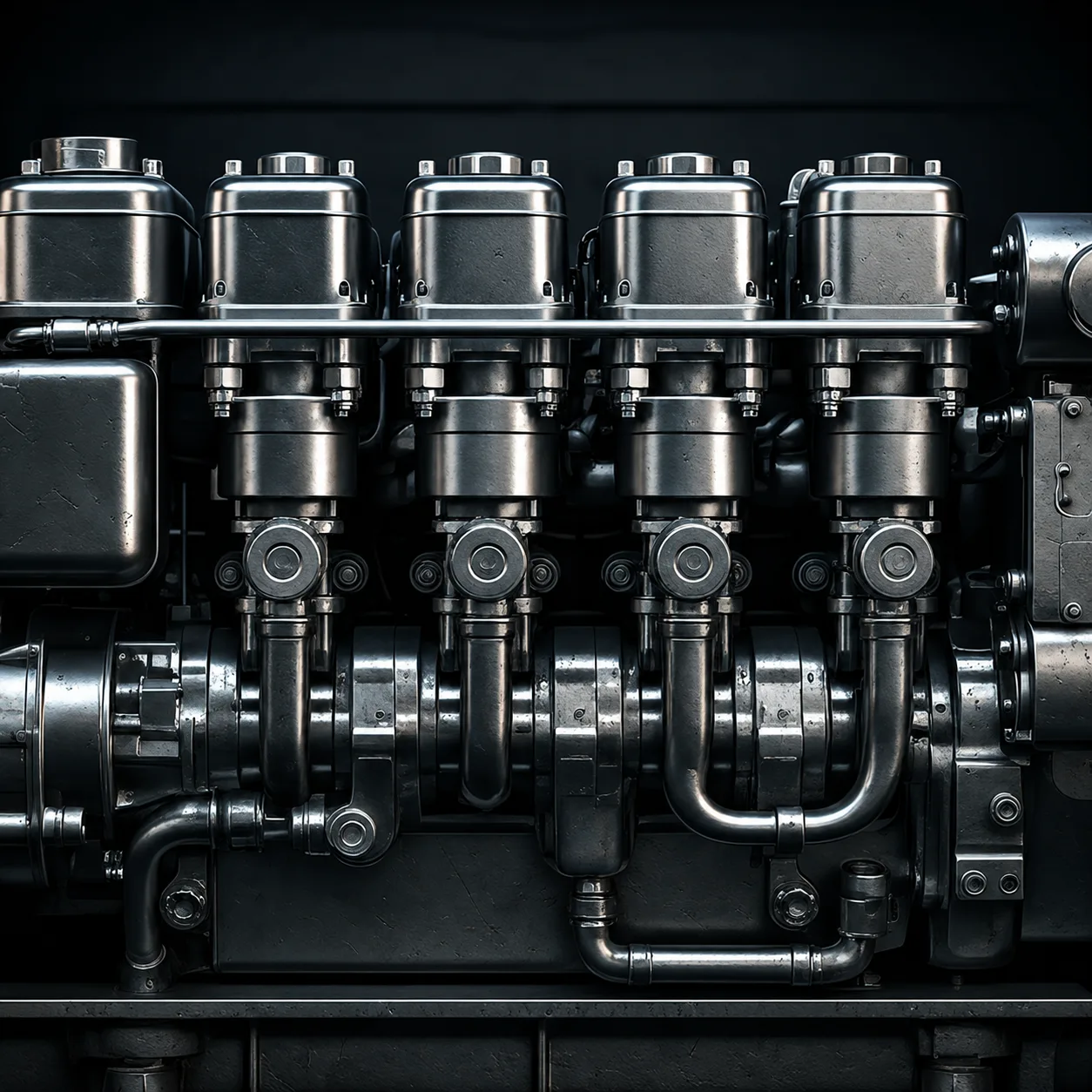
Precision Engineering:
01.
Precision Engineering Excellence
Precision engineering is the foundation of high-performance locomotive components. Every part is designed and manufactured with exceptional accuracy to meet strict quality standards and demanding railway applications. By combining advanced technology, engineering expertise, and detailed craftsmanship, precision engineering ensures superior reliability, durability, and operational efficiency. It minimizes dimensional variations, improves compatibility between components, and guarantees consistent performance under extreme working conditions. This commitment to precision results in locomotive parts that deliver long-lasting service, reduced maintenance requirements, and dependable operation throughout their lifecycle.
02.
Advanced Design & Product Development
Every locomotive component begins with a carefully engineered design process focused on strength, functionality, and manufacturing efficiency. Using modern CAD software, simulation tools, and engineering analysis, each design is optimized before production begins. Engineers evaluate structural integrity, operational performance, and real-world working conditions to create highly efficient components. This advanced product development approach reduces design errors, shortens development time, and ensures every part meets industry standards. The result is innovative locomotive solutions that offer improved reliability, precision, and long-term operational performance.
03.
High-Precision Manufacturing Technology
Our manufacturing process utilizes advanced precision engineering techniques to produce locomotive parts with exceptional dimensional accuracy and consistency. Technologies such as CNC machining, laser cutting, automated production systems, and precision tooling ensure every component meets exact specifications. These processes enable complex geometries, tighter tolerances, and flawless surface finishes while maintaining production efficiency. By combining modern manufacturing equipment with strict engineering standards, we deliver components that offer outstanding durability, seamless fitment, and reliable performance across demanding railway applications.
04.
Premium Material Selection
The quality of any locomotive component depends greatly on the materials used during manufacturing. We utilize premium-grade metals, high-strength alloys, and advanced engineering materials that provide exceptional durability, wear resistance, and structural stability. Every material is carefully selected based on application requirements, operational loads, and environmental conditions. These high-performance materials improve component strength while reducing unnecessary weight, contributing to better fuel efficiency and enhanced locomotive performance. Our material selection process ensures long service life, reduced maintenance, and dependable operation in challenging railway environments.
05.
Strict Quality Control & Inspection
Quality is maintained through comprehensive inspection procedures implemented at every stage of production. Each locomotive component undergoes dimensional verification, material testing, precision measurement, and performance evaluation before final approval. Advanced inspection equipment ensures every product meets strict engineering specifications and international quality standards. Continuous monitoring throughout the manufacturing process minimizes defects, improves consistency, and guarantees complete customer satisfaction. This rigorous quality assurance system ensures every locomotive part delivers superior reliability, accuracy, and long-lasting operational performance.
06.
Efficient Installation & Easy Integration
Precision-engineered locomotive components are designed for seamless installation and perfect compatibility with existing railway systems. Accurate manufacturing tolerances eliminate unnecessary modifications during assembly, reducing installation time and minimizing operational downtime. Standardized production processes ensure every component fits precisely into its intended application. This efficient integration simplifies maintenance activities, enhances operational reliability, and reduces overall project costs. By focusing on installation efficiency, we help railway operators achieve faster deployment and uninterrupted locomotive performance.
07.
Smart Maintenance & Diagnostic Support
Reliable locomotive performance depends on effective maintenance and early fault detection. Precision-engineered components are designed to support advanced diagnostic systems that simplify inspections and identify potential issues before they become major failures. Predictive maintenance strategies help reduce unexpected breakdowns, improve equipment availability, and extend service intervals. Accurate component performance enables maintenance teams to perform timely repairs, optimize maintenance schedules, and lower long-term operating costs. This proactive approach enhances overall railway reliability while maximizing equipment lifespan.
08.
Energy Efficiency & Sustainable Performance
Precision engineering significantly improves energy efficiency by reducing friction, minimizing mechanical losses, and optimizing component performance. Lightweight designs, advanced materials, and precisely manufactured parts help locomotives consume less fuel while maintaining maximum operational output. Improved efficiency also contributes to lower emissions and reduced environmental impact. Our engineering solutions support sustainable railway operations by enhancing performance without compromising durability or reliability. This balance between productivity and environmental responsibility makes precision engineering essential for modern locomotive systems.
09.
Enhanced Operational Performance
High-quality precision components directly improve the overall performance of locomotive systems. Precisely manufactured parts ensure smoother operation, better power transmission, reduced vibration, and improved mechanical efficiency. Advanced engineering techniques optimize component interaction, resulting in higher reliability, greater operational stability, and consistent performance under heavy-duty conditions. Whether operating in challenging environments or continuous service applications, precision-engineered locomotive parts help maximize productivity while minimizing operational interruptions and maintenance requirements.
10.
Advanced Engineering Innovation
Continuous innovation drives the development of next-generation locomotive components. By integrating modern engineering technologies, computer simulations, precision analysis, and automated manufacturing systems, we continuously improve product performance and manufacturing efficiency. These innovations allow engineers to predict component behavior under different operating conditions, optimize designs, and enhance product reliability before production begins. The result is smarter, stronger, and more efficient locomotive parts that meet evolving railway industry demands while maintaining exceptional quality standards.
11.
Long Service Life & Durability
Durability is a critical requirement for locomotive components operating under demanding railway conditions. Precision engineering improves structural integrity, minimizes wear, and enhances resistance to heavy loads, vibration, and environmental factors. Carefully engineered designs combined with premium materials significantly extend component lifespan while reducing the frequency of replacements. Longer-lasting parts help railway operators lower maintenance expenses, reduce downtime, and improve equipment availability. This commitment to durability ensures dependable performance throughout the operational life of every component.
12.
Cost-Effective Engineering Solutions
Precision engineering not only improves product quality but also reduces overall operational costs. Accurate manufacturing minimizes material waste, reduces production errors, and improves manufacturing efficiency. High-quality components require less maintenance, experience fewer failures, and deliver longer service life, lowering lifecycle costs for railway operators. Optimized production methods, automation, and efficient supply chain management further contribute to cost savings. These advantages make precision-engineered locomotive parts a valuable long-term investment for reliable and economical railway operations.
13.
Automation & Modern Production Systems
Automation plays a vital role in achieving consistent quality and higher manufacturing productivity. Computer-controlled machinery, robotic systems, and intelligent production processes ensure precise component manufacturing with minimal human error. Automated production improves repeatability, increases manufacturing speed, and maintains strict dimensional accuracy across large production volumes. This modern manufacturing approach enhances product consistency while reducing production costs and lead times. Automation enables efficient, scalable manufacturing without compromising engineering precision or quality.
14.
Reliability & Safety Assurance
Safety and reliability remain at the core of every precision-engineered locomotive component. Strict engineering standards, advanced manufacturing techniques, and comprehensive quality inspections ensure dependable operation under demanding railway conditions. Accurate component design reduces mechanical failures, improves system stability, and supports safe train operations. Reliable locomotive parts contribute to uninterrupted service, enhanced passenger safety, and increased operational confidence. Every component is developed to perform consistently while meeting the highest standards of engineering excellence.
15.
Commitment to Continuous Improvement
Precision engineering is an ongoing process of innovation, refinement, and technological advancement. Continuous investment in research, advanced manufacturing equipment, skilled engineering, and quality improvement enables the development of increasingly efficient locomotive components. Feedback from real-world applications is used to improve future designs, optimize production methods, and enhance overall product performance. This commitment to continuous improvement ensures customers receive reliable, high-quality locomotive solutions that meet changing industry requirements while delivering exceptional value and long-term performance.