01.
Key Takeaways
One of the most common issues affecting engine valves is wear. Continuous operation, high temperatures, and abrasive particles in the intake air can gradually wear down the valve surface and its seat. Valve wear can result in poor sealing, reduced compression, and loss of engine power.
Solution : Regular inspection and maintenance are key to preventing valve wear. Ensure proper lubrication of the valve stems and replace worn valves and seats as needed. Using high-quality engine oil and changing it at recommended intervals can also help reduce wear on engine components.
02.
Valve Burning
Valve burning occurs when the valve face and seat are subjected to excessive heat, causing them to become pitted or eroded. This can lead to poor sealing, loss of compression, and engine misfires.
Solution : Proper engine tuning and maintenance are essential for preventing valve burning. Avoid running the engine at excessively high temperatures and ensure proper air-fuel mixture and ignition timing. Regularly inspect and clean the combustion chamber and valve seats to remove carbon deposits and prevent hot spots.
03.
Carbon Buildup
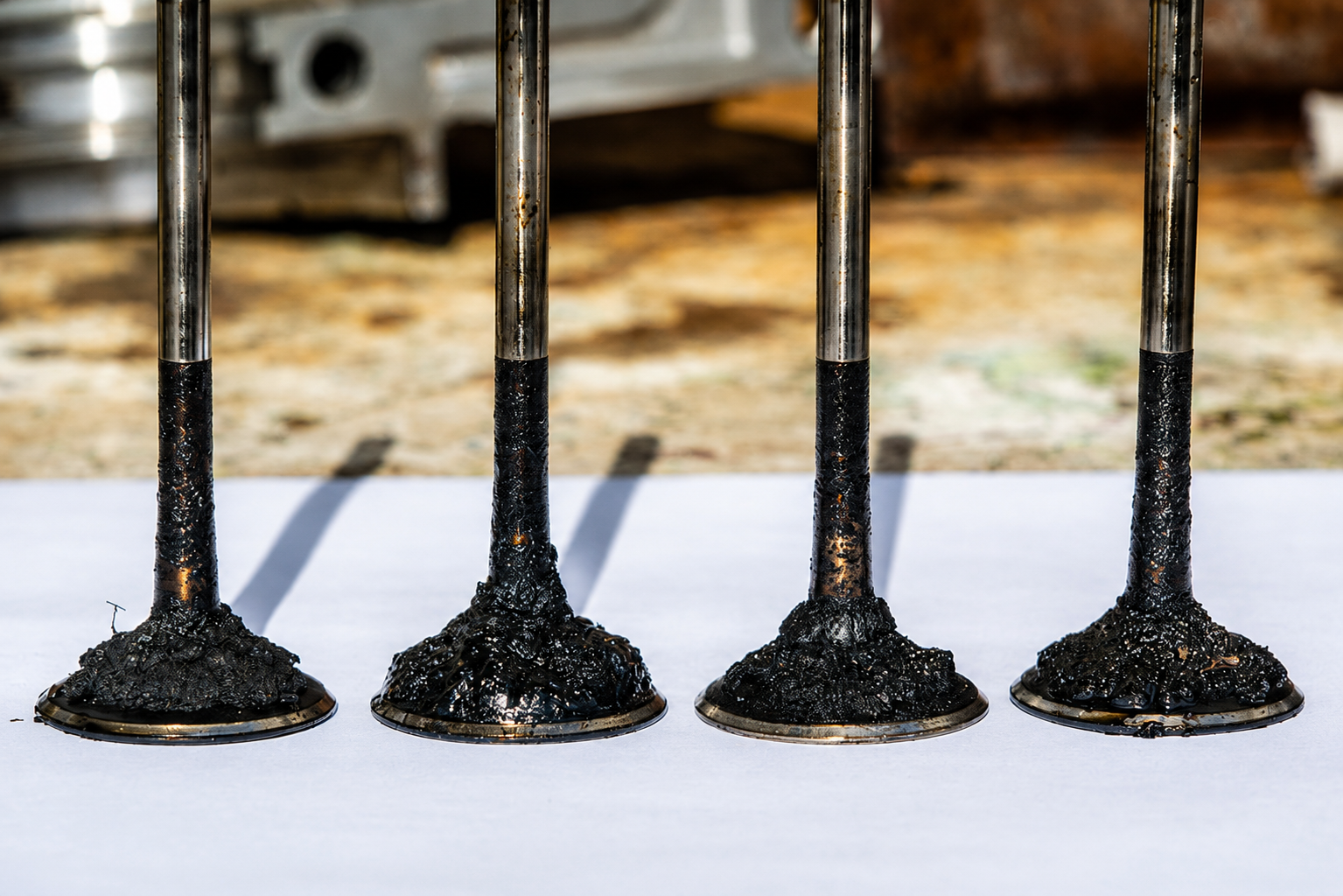
Carbon buildup on the valve stems, faces, and seats is a common problem in engines, especially those with direct fuel injection. Carbon deposits can interfere with valve operation, reduce airflow, and affect engine performance.
Solution : Regularly inspect and clean the intake system, including the intake manifold, throttle body, and intake valves, to remove carbon deposits. Use fuel additives designed to clean the fuel system and combustion chamber. Consider installing a catch can or oil separator to reduce the amount of oil vapor and contaminants entering the intake system.
04.
Valve Leaks
Valve leaks can occur due to worn valve seals, damaged valve stems, or improper seating of the valves. Leaky valves can lead to loss of compression, engine misfires, and increased fuel consumption.
Solution : Inspect and replace worn valve seals and damaged valve stems as needed. Check the valve clearances and adjust them to ensure proper seating and sealing. Perform a leak-down test to identify any leaks in the intake and exhaust valves and address them promptly.
05.
Valve Spring Failure
Valve spring failure can result in valve float, where the valve does not close properly at high engine speeds, leading to loss of power and potential engine damage.
Solution : Regularly inspect valve springs for signs of wear, fatigue, or damage. Replace worn or damaged valve springs with high-quality replacements. Consider upgrading to stronger valve springs if you plan to increase engine performance or RPM.
Preventive Maintenance Tips
- Follow the manufacturer's recommended maintenance schedule for valve inspection, adjustment, and replacement.
- Use high-quality engine oil and change it at regular intervals to reduce wear and carbon buildup.
- Avoid prolonged periods of idling or excessive engine load, which can contribute to valve wear and overheating.
- Keep the air filter clean and replace it as needed to prevent abrasive particles from entering the engine.
By addressing common valve problems and following preventive maintenance measures, you can ensure that your engine valves remain in good condition, maximizing performance, efficiency, and longevity.