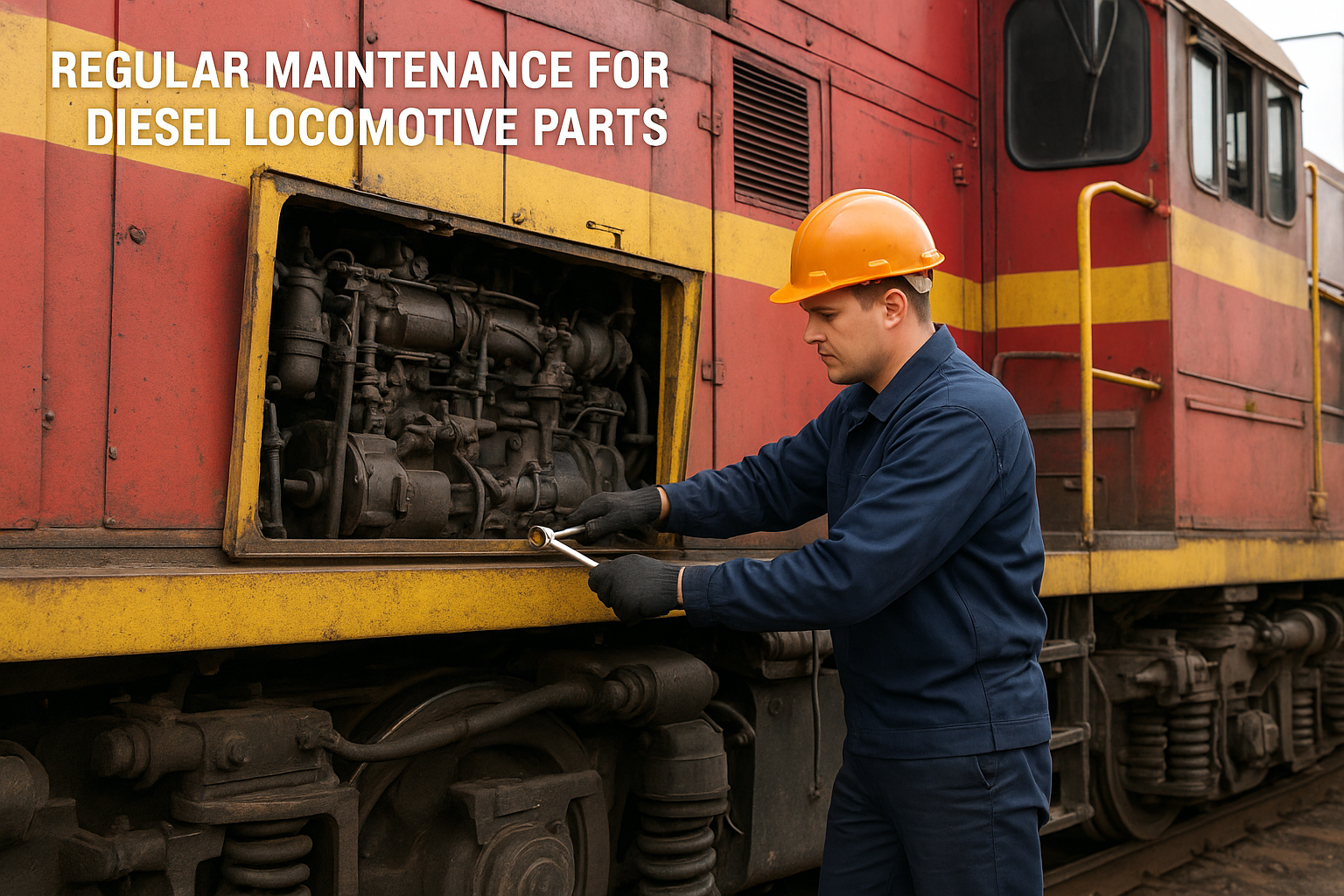
The Importance of Regular
01.
Conduct regular inspections
Conducting regular inspections of your diesel locomotive is critical to maintaining its performance. Inspect and examine all the components, including belts, hoses, filters, and fuel system, and replace any worn out or damaged parts immediately.
02.
Monitor fluid levels
Checking and monitoring fluid levels, such as oil, coolant, and hydraulic fluid, is essential to prevent mechanical failures. Maintaining the correct levels ensures all engine parts function as they should, which prolongs the engine life.
03.
Lubrication
Lubrication is the act of applying grease or oil on different engine parts to reduce friction, prevent corrosion, and improve overall performance. Regular lubrication of bearings, pumps, and gaskets extends the life of the locomotive and significantly reduces wear and tear.
04.
Cleanliness
Keeping your diesel locomotive clean is of paramount importance. Accumulation of dirt or debris on the engine or any other parts may cause significant damage to the system. Thus, keeping it clean ensures that the locomotive stays in good working condition for longer.
05.
Regular Servicing
Engaging the services of an experienced mechanic for regular maintenance on your diesel locomotive is essential. The mechanic is experienced and has the right tools to examine, identify and fix any potential issues before they turn into significant engine problems. In Conclusion, regular maintenance is the key to preventing breakdowns of diesel locomotives. As a diesel mechanic, it is essential to be proactive rather than reactive in maintaining the equipment. By following the above tips, you can ensure that your diesel locomotive stays in good condition and operate reliably for years to come. So, to prevent significant failures or repairs, schedule regular maintenance to keep your diesel locomotive functioning at its best.
06.
Regular maintenance extends the lifespan of locomotive parts
By keeping diesel locomotive parts in good condition through regular maintenance, they are less likely to wear out or become damaged prematurely. This extends the overall lifespan of the locomotive and its parts. Regular maintenance is essential for diesel locomotives to perform at their best and to ensure that every part functions optimally. Locomotive parts are often subjected to extreme stress and operating conditions, which can result in wear and tear, damage, and eventual breakdown. However, by keeping diesel locomotive parts in good condition through regular maintenance, they are less likely to wear out or become damaged prematurely. This extends the overall lifespan of the locomotive and its parts, reducing the need for costly repairs and replacements, and increasing operational efficiency and safety.
07.
Conclusion
Regular maintenance of diesel locomotive parts is essential for keeping them in good condition and preventing breakdowns. By taking the time to inspect and service the parts regularly, you can ensure that they remain in good working order and last longer. Not only does this extend the lifespan of the locomotive and its parts, but it also helps to improve safety by reducing the risk of accidents. For those who love gadgets and want to improve their lives, regular maintenance of diesel locomotive parts is an important step to take, not just to ensure that their locomotives run smoothly and last longer, but also to ensure their safety.
08.
Whatis a diesel locomotive and how does it work?
A diesel locomotive is a type of locomotive that runs on diesel fuel. It generates power through a diesel engine which converts fuel into mechanical energy that propels the locomotive forward.
09.
Why is regular maintenance important for diesel locomotive parts?
Regular maintenance is important for diesel locomotive parts because it ensures that each part operates efficiently and safely. It helps to minimize the risk of breakdowns, and prevent expensive repairs or replacements down the line. Proper maintenance can also prolong the life of the engines, reduce fuel consumption, and improve the overall performance of the locomotive.
10.
What parts of a diesel locomotive require regular maintenance?
There are several parts of a diesel locomotive that require regular maintenance. They include the engine, transmission, brakes, cooling system, fuel system, electrical system, and other associated components such as belts, hoses, and bearings
11.
How often should maintenance be performed on a diesel locomotive?
The frequency of maintenance on a diesel locomotive will depend on various factors such as the age of the locomotive, the number of operating hours, and the type of usage. Typically, maintenance should be performed according to the manufacturer’s guidelines, which usually includes regular inspections, lubrication, filter replacements, and fluid changes.
12.
What are some common signs that a locomotive part needs maintenance or replacement?
Some common signs that a diesel locomotive part needs maintenance or replacement include unusual noises, engine misfires or stalls, poor fuel economy, decreased power, reduced braking ability, or fluids leaking from the locomotive.
13.
What are some benefits of a well-maintained diesel locomotive?
A well-maintained diesel locomotive offers several benefits, such as increased reliability, reduced downtime, better fuel economy, improved performance, and increased safety.
14.
Why should we prioritize regular maintenance of diesel locomotive parts?
Regular maintenance of diesel locomotive parts is essential since it helps prolong the lifespan of the engines and keeps them functioning safely and effectively. It also ensures that the locomotive performs at optimal levels, minimizes the risk of accidents or breakdowns, and helps save costs associated with replacements and repairs.
15.
Cana professional help with maintenance of diesel locomotive parts?
Yes, it is advisable to seek professional help when maintaining diesel locomotive parts. Experienced professionals know how to properly diagnose, service, and repair any issues that may arise. They also have access to the specialized tools and equipment required to work accurately and effectively.